Olivier LAVOREL
Show all
WHAT MICHEL ESTADES SAYS :
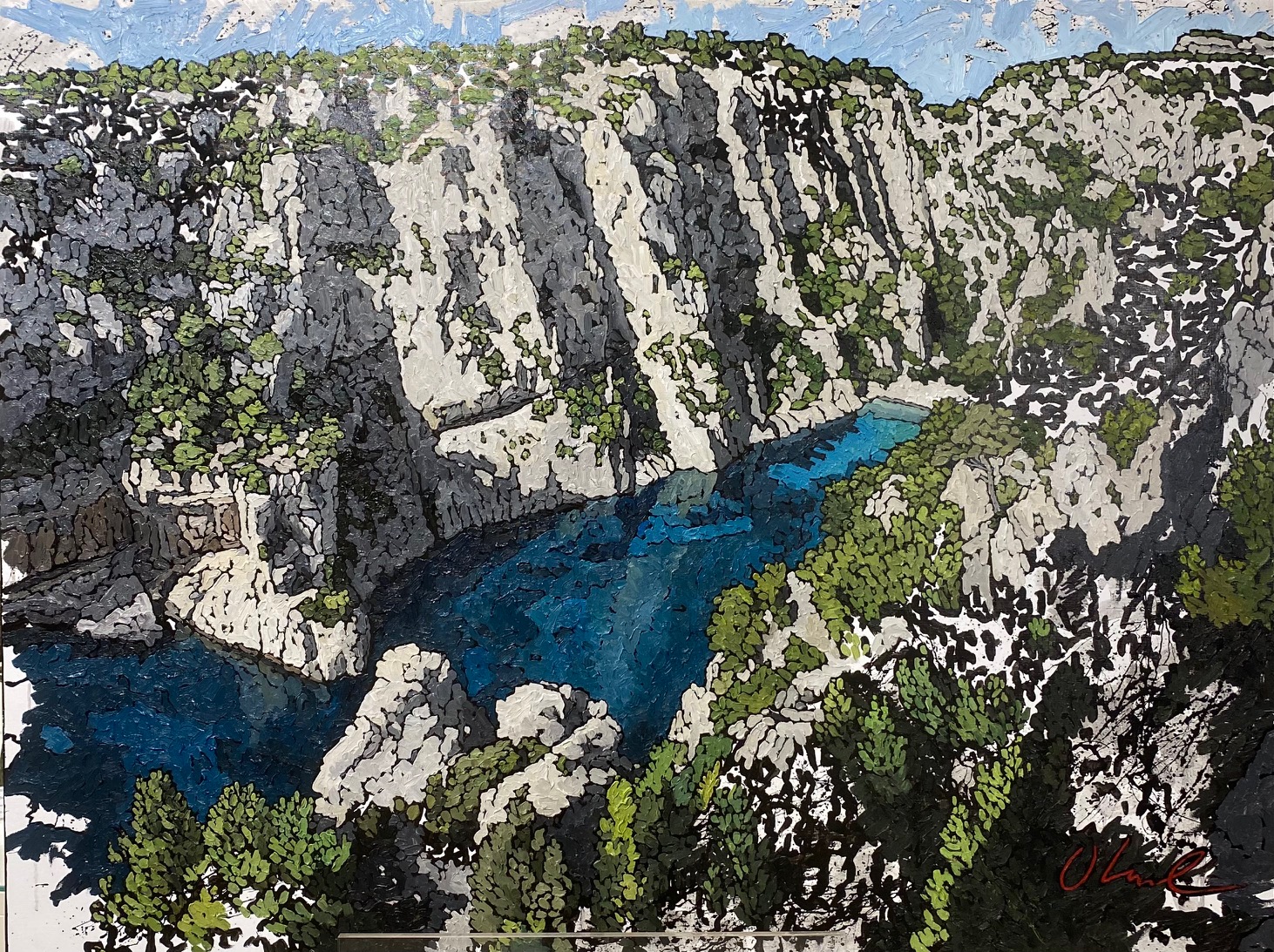
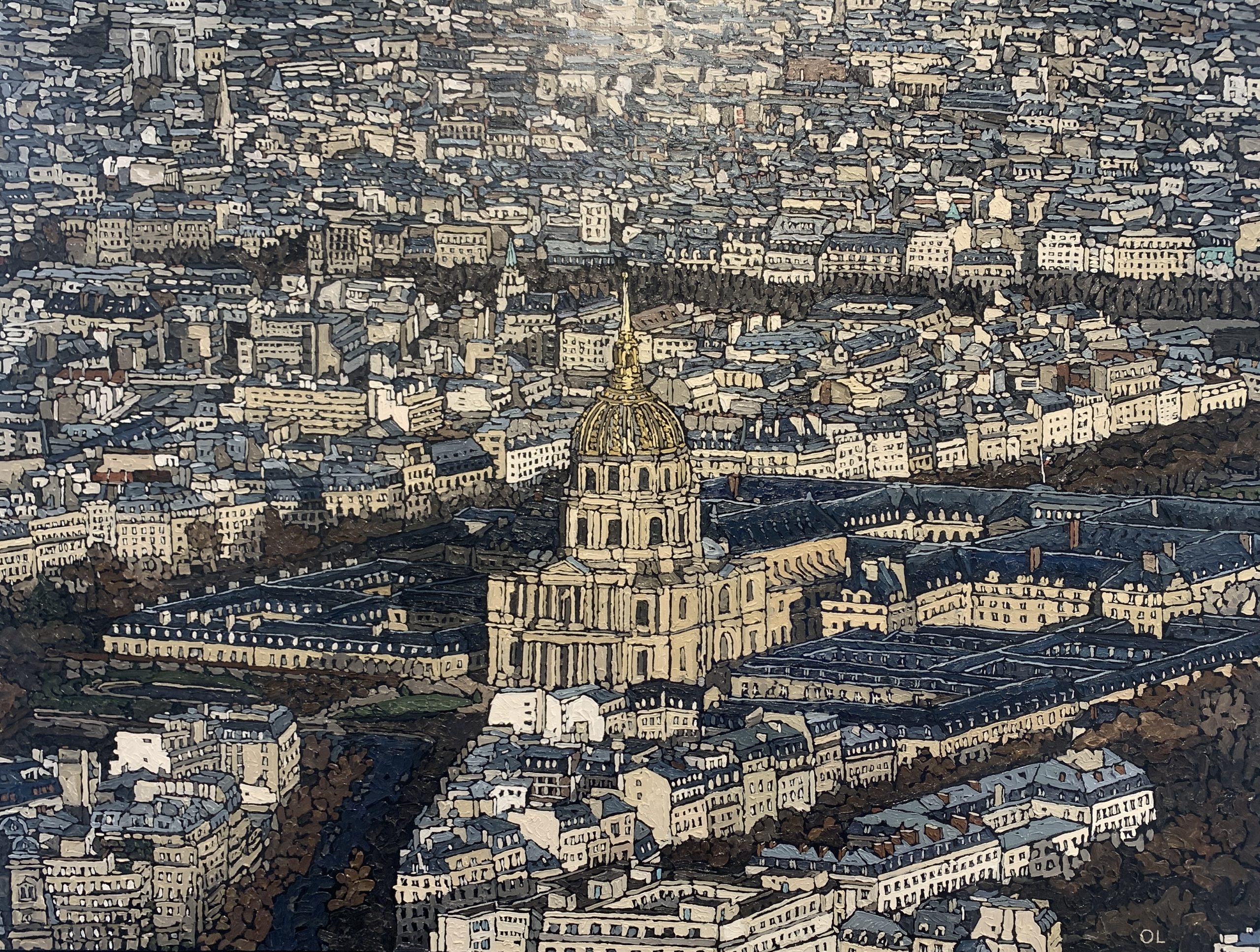
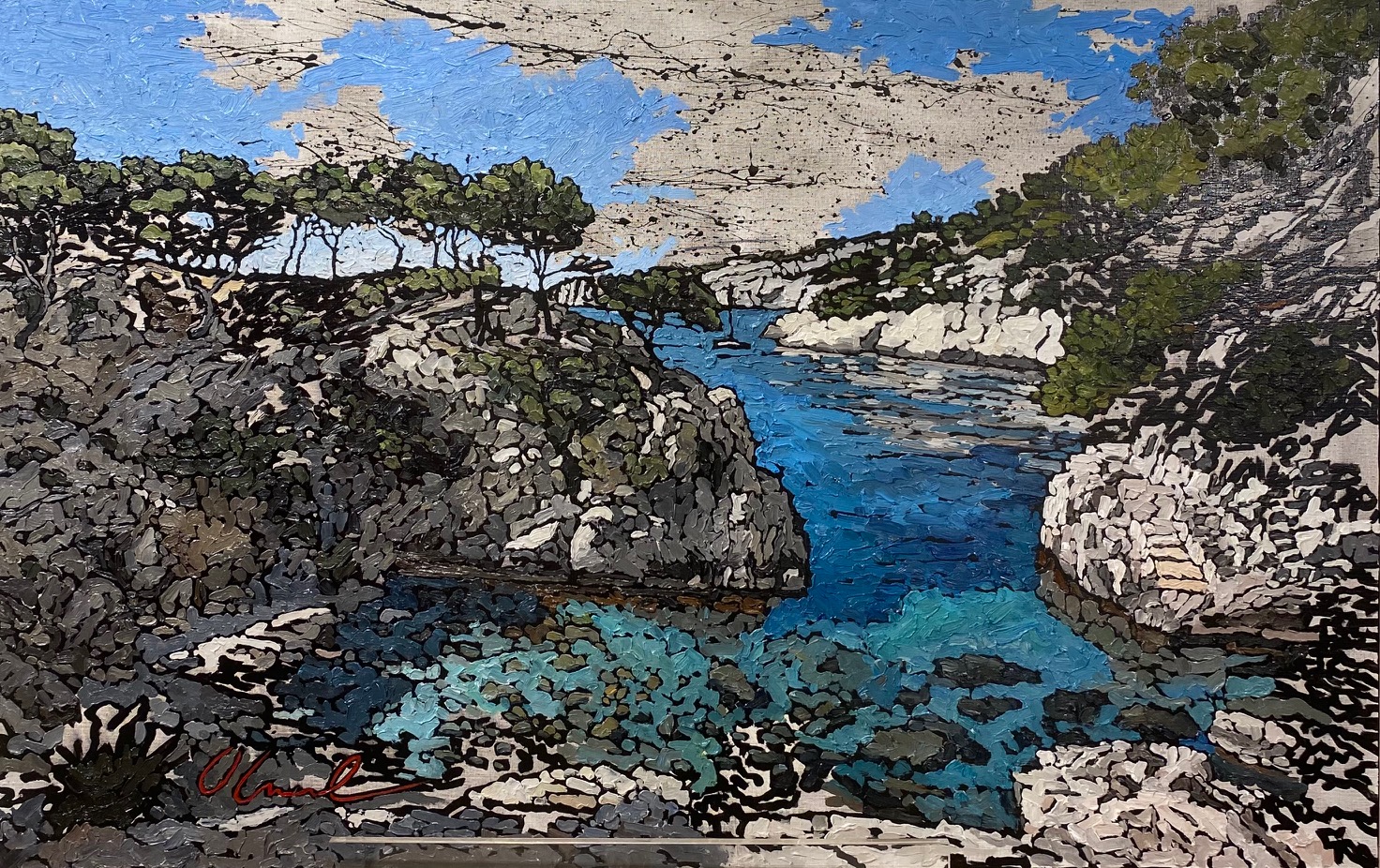
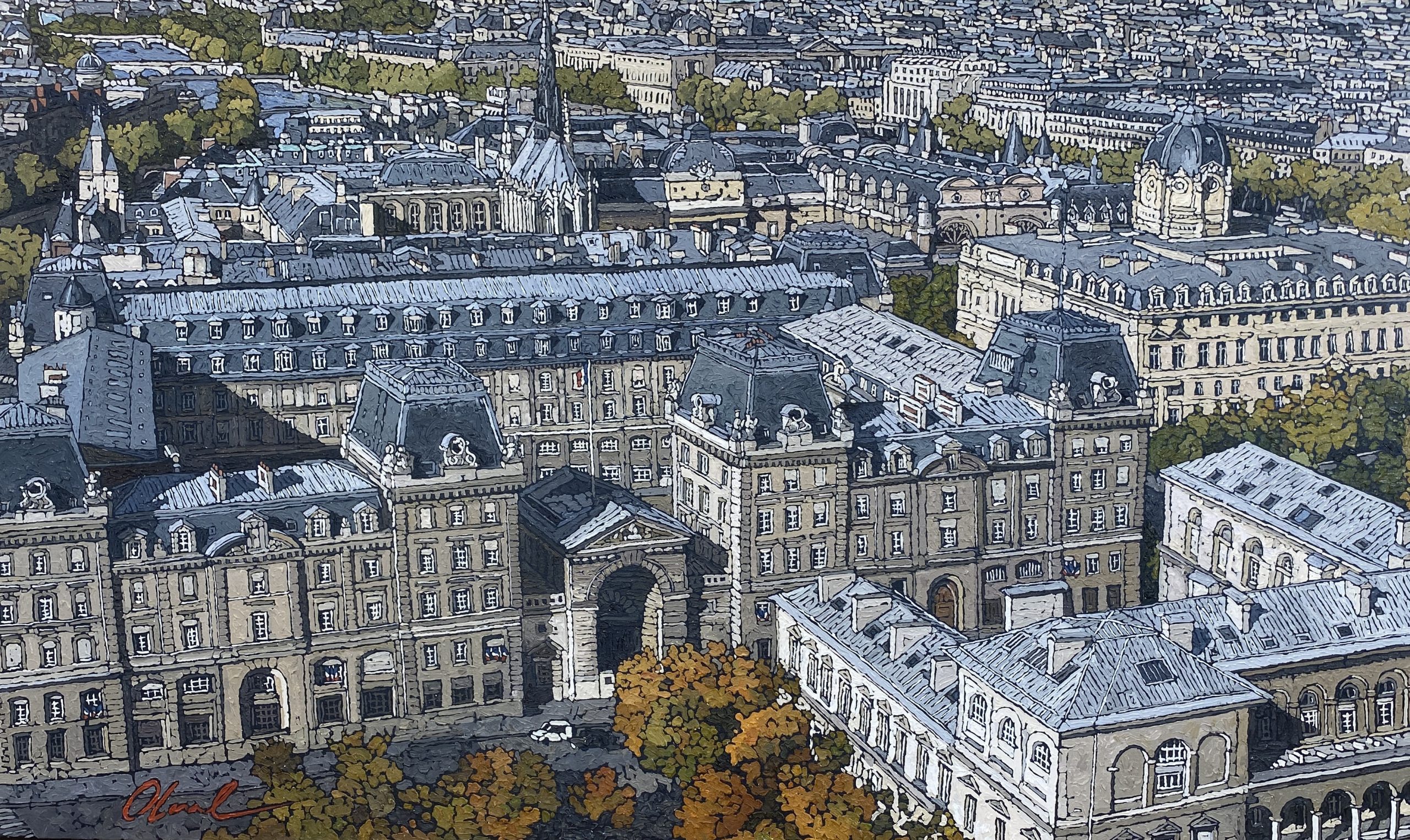
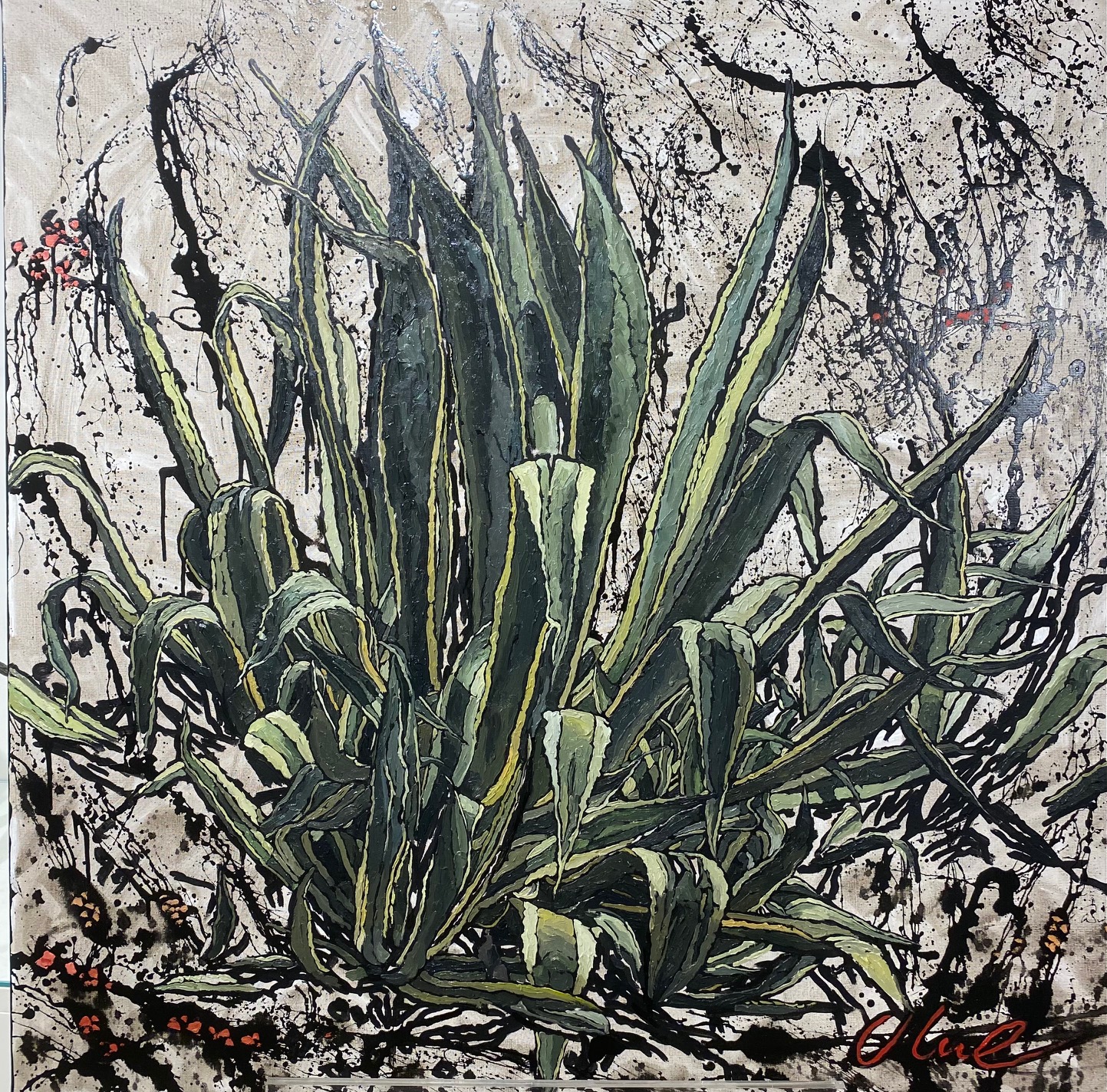
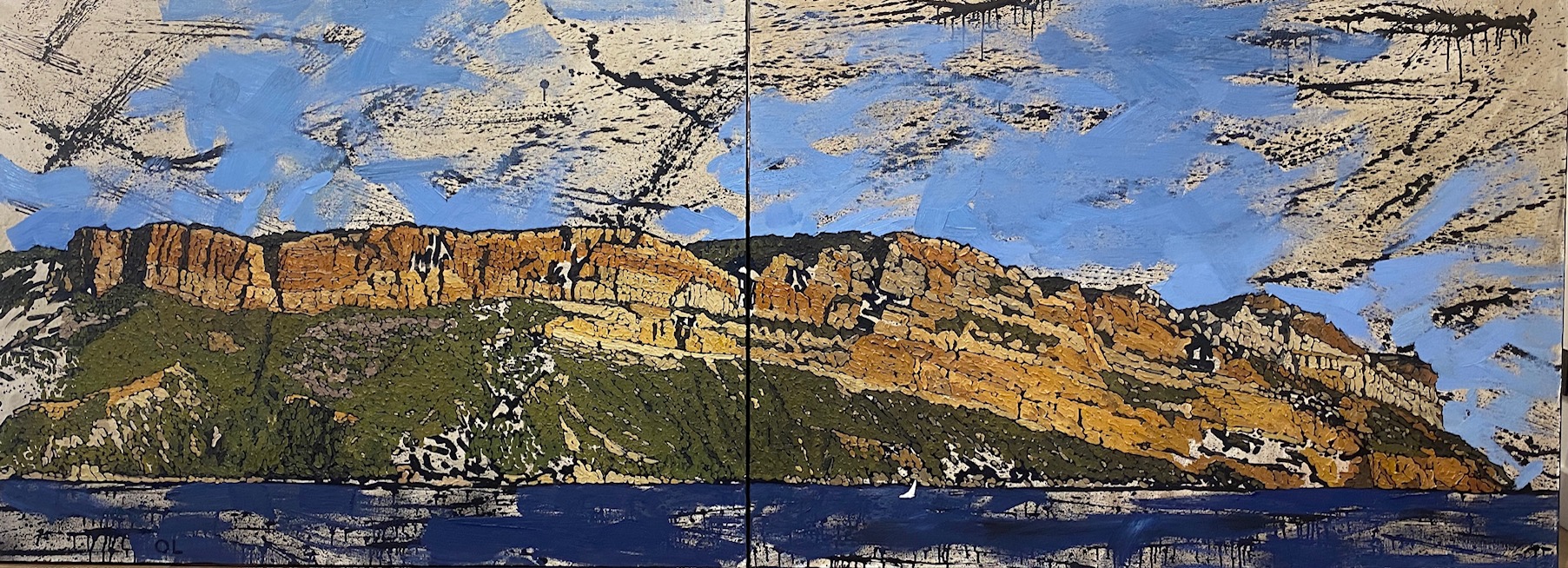
Olivier Lavorel’s work is instantly recognizable through the strength of his vision and the precision of his compositions. Whether he focuses on architecture, urban landscapes, industrial scenes or places marked by human presence, he reveals a singular harmony in what may at first seem dense, complex or functional. His paintings, carefully constructed, offer an almost sensitive reading of space: forms fit together, colors interact, and materials come to life. In Olivier Lavorel’s work, reality becomes composition, balance and emotion. His art invites us to look differently at the landscapes shaped, inhabited or crossed by human beings.
Biography
Olivier Lavorel began his artistic practice with formal training in drawing at the École des Beaux-Arts in Rennes, following an initial interest in photography. His encounter with Éric Bari, a Painter of the French Navy, proved formative, grounding his approach in a disciplined way of seeing where perceptual acuity and formal rigor are inseparable.
A stay in southern Morocco, initially driven by an ambition to explore desert landscapes, became a critical turning point. Confronted with the extreme minimalism of the subject, Lavorel recognized the limits of this direction for his own practice. The discovery of the medina of Fez, however, marked a decisive shift: there, he identified a visual territory aligned with his concerns—dense, heterogeneous, and stratified urban configurations, which he conceptualizes as “urban accumulations.”
This led to an ongoing process of exploration, sustained through travels across major metropolitan contexts. Lavorel developed a method of observation based on in situ capture—photography, watercolor, and drawing—conceived as a means of recording visual structures. His focus lies less on the iconic nature of architecture than on the underlying organizational systems: modes of aggregation, repetition, discontinuities, junctions, and chromatic tensions.
The resulting works are characterized by tightly framed compositions that typically exclude the sky, favoring instead a saturated visual field. Pictorial space is treated as a site of densification, where facades, gables, rooftops, and terraces interlock through complex systems of arrangement, approaching the limits of cartographic legibility. A deliberately restrained palette reinforces the structural clarity of these compositions.
Functional elements—shutters, gutters, chimneys, water tanks—take on an operative role within this framework. Far from anecdotal, they form an essential part of the visual vocabulary, revealing the specificities of each locale. While human figures are consistently absent, human presence is nonetheless implied through subtle indicators—most notably hanging laundry—embedding traces of habitation within the work.
Through a controlled tension between analytical rigor and spontaneous gesture, Olivier Lavorel constructs a reading of urban fabric as an open system, shaped by overlapping temporalities, uses, and construction logics. His work thus contributes to a broader reflection on the city as a dynamic and evolving form, at once structured and contingent.